Close

Celebrating the success of the With Love Gala

We are thrilled to share the incredible success of the With Love Gala, held at the stunning Canadian Museum for Human Rights in Winnipeg. It was a truly unforgettable evening, filled with impactful stories, meaningful connections, and live entertainment—all in support of empowering youth to realize their full potential.

This celebration of joy and compassion brought people together to make a big impact. The generosity and passion of our supporters created an atmosphere that was as inspiring as it was fun. From heartwarming speeches to performances that lifted spirits, the night was a powerful reminder of what we can achieve when we come together for a cause.

We are overjoyed to announce that through this event, $286,000 was raised! Every dollar will go directly to supporting LiveDifferent’s vital programming, which provides hope, resilience, and opportunities for youth both locally and abroad.

The ripple effect of this night will be felt far and wide, as the funds raised will ensure that we can continue to empower young people, helping them build brighter futures through mental wellness, education, and hands-on humanitarian experiences.

To everyone who contributed, whether through donations, participation, or simply sharing the evening with us, we cannot thank you enough. Your support means the world to us and to the youth we serve.

Together, we are making a difference—with love!

Author: LiveDifferent

Date: October 16th, 2024

100 Acts for ReconciliACTION

THE RECONCILIATION JOURNEY can be undertaken through the following strategies:

√ Creating relationships with Indigenous peoples by attending community events (e.g., National Indigenous Peoples Day, Louis Riel Day, Arctic Games, round dances, community meals) and having a critical conversation about relevance and meaning.

√ Learning from local Indigenous Knowledge Keepers in a culturally relevant space (e.g. medicine walks, living with the land, sharing/talking circles, attending powwows, sweat lodges, pipe ceremonies, water walks, language camps).

√ Engaging in community outreach projects that have compassion and comprehension at their core (e.g., Project of Heart, Orange Shirt Day, I am a witness, Walking With Our Sisters, Shannen’s Dream, Jordan’s Principle, The REDress Project).

√ Participating in experiential activities that delve deeper into Indigenous and non-Indigenous relations (e.g., Imagine a Canada – National Centre for Truth and Reconciliation, Indigenous Rights Blanket Exercise Workshop – KAIROS Canada, WE Schools – Indigenous Programming).

√ Evaluating individual and collective growth using (w)holistic models that include the physical, emotional, intellectual and spiritual aspects of life (e.g., Medicine Wheel, Indigenous Wellness Framework, First Nations Perspective on Health and Wellness).

Source: Adapted from EdCan Network site.

100 Acts of ReconciliACTION

Reconciliation is not about ‘feeling guilty’, it’s about learning the truth.  The following are 100 ‘Acts of Reconciliation’ that Allies can easily do. Many of these are small, everyday acts, that encourage people to think about Indigenous-settler relationships in new ways. We encourage you try each item on the list.

  • Learn the land acknowledgement in your region.
  • Find your local reconciliation organization. If there isn’t one, consider joining together with others to start one.
  • Attend a cultural event, such as a pow wow (yes, all folks are invited to these!).
  • Purchase an item from an Indigenous artist. For instance, if you are interested in owning beaded earrings or a pair of moccasins, find an Indigenous artist who can craft these items for you and provide you with information about these special creations.
  • Download an Indigenous podcast, like Ryan McMahon’s Red Man Laughing or Molly Swain and Chelsea Vowel’s Métis in Space.
  • Read an autobiography written by an Indigenous person. A couple of ideas include Augie Merasty’s The Education of Augie Merasty, Christy Jordan-Fenton and Margaret Pokiak- Fenton’s Fatty Legs: A True Story, and Mini Adola Freeman’s Life Among the Qallunaat.
  • Find out if there was a residential school where you live. Maybe visit its former site.
  • Watch CBC’s Eighth Fire or APTN’s series, First Contact.
  • See if you can find sage in your area and learn how Indigenous people use(d) it.
  • Visit the Manitoba museum, particularly its sections on the Treaties and Indigenous people.
  • Learn a greeting in a local Indigenous language.
  • Register for the University of Alberta’s online MOOC, called “Indigenous Canada,” for free.
  • Initiate a conversation with a friend about an Indigenous issue in the news.
  • Support protests by Indigenous peoples. 
  • Eat at an Indigenous restaurant like ‘Feast Café Bistro’ or food truck.
  • Seriously consider your own position as a settler Canadian. Do you uphold practices that contribute to the marginalization of Indigenous peoples?
  • Learn why headdresses are not appropriate to wear outside of ceremony.
  • Find a book that delves into Indigenous local histories.
  • Donate to the Bear Clan Patrol (Manitoba).
  • When discussing LGBTQ issues, always include two-spirit peoples (LGBTQ2S*).
  • Invite your local reconciliation organization to hold a KAIROS Blanket Exercise at your place of employment.
  • Buy some books for your children that explain the histories and legacies of residential school (see CBC’s list of suggestions).
  • Ask yourself if stereotypes about Indigenous people align with your beliefs (for more on stereotypes, refer to Chelsea Vowel’s Indigenous Writes ).
  • Educate yourself around the issue of ‘Racial Profiling’ and consider why this is an important issue for urban Indigenous populations.
  • Learn your family history. Know where your ancestors came from and when they arrived in Canada. In addition, understand how your family story is part of a larger system that sought to dispossess Indigenous people from their ancestral lands.
  • Acknowledge that as a nation, Canadians choose which histories are celebrated and which ones are erased.
  • Learn the difference between Indigenous, Aboriginal, First Nation, Métis, and Inuit.
  • Support local Indigenous authors by purchasing their books.
  • Watch an educational documentary, such as We Were Children or The Pass System.
  • Gently counter racist or stereotypical comments with fact-based information whether you are at a party, the office, or the gym.
  • Understand and acknowledge that Canada’s first prime minister, Sir John A. Macdonald, was an architect of genocide. Say that aloud with us, “John A. Macdonald was an architect of genocide.”
  • Show your support on social media. ‘Like’ pages and ‘share’ posts that support Indigenous endeavours.
  • Listen to Indigenous music. If you do not know any, listen to CBC’s Reclaimed. Or start with an album by Tanya Tagaq or Leonard Sumner.
  • Find the Indigenous section at your local library.
  • Read the TRC. Seriously. Start with the Calls to Action, then the Executive Summary. You can even listen to it online at #ReadtheTRC. Better yet, invite your friends or colleagues to read it with you.
  • Attend presentations and book launches of Indigenous scholars and authors.
  • Hire Indigenous people for positions at your workplace.
  • If you live in an area where there is a Treaty relationship, read the treaty document. It can be found on the TRCM website. http://www.trcm.ca
  • Write to your municipal, provincial, and federal representatives and ask them how they are implementing the Calls to Action. Follow up with your school or employer about the 94 Calls to Action.
  • Read Marilyn Poitras’ reasons for resigning her Commissioner’s position with the Missing and Murdered Indigenous Women and Girls’ Inquiry.
  • Learn about how the child welfare system is failing Indigenous families. Write a letter to your elected representative asking for change.
  • Remember when Stephen Harper’s government sent body bags to the Wasagamack First Nation during the H1N1 influenza outbreak instead of trained medical professionals with vaccines?
  • Did you know there was a separate and inferior health care system for Indigenous peoples? Read Maureen Lux’s book, Separate Beds (2016).
  • Be aware that Indigenous people were restricted from voting in federal elections until 1960. And also understand that First Nations people were forced to choose between maintaining their Status under the Indian Act and going to university or serving in the armed forces, and women lost their status by marrying a non-Indigenous person.
  • Do you have access to clean drinking water? You are lucky. Also, ‘luck’ really has nothing to do with it; these conditions were historically engineered.
  • In a country that is ‘safe,’ such as Canada, 57% of Indigenous women are sexually assaulted during their lifetimes.
  • Find out who was forced out of your area before you moved there, whether centuries ago or more recently with new housing developments.
  • Write to Prime Minister Justin Trudeau and ask that the government implement the promises he made to Indigenous people.
  • Does your child have a school nearby? Realize that it receives better funding that on-reserve schools. By at least 30%.
  • Actively seek out Indigenous heroes and role models. How about Dr. Nadine Caron, the first First Nations woman to become a surgeon? Or Mohawk athlete Waneek Horn-Miller? Or a historical figure, such as Thanadelthur?
  • Do you have an Indigenous political candidate in your area? Even though they might not be affiliated with your political party of choice, phone or email them and start a conversation.
  • Recognize that Indigenous legal orders and laws guiding society existed in this land before the authority of the Canadian nation state.
  • When travelling, know whose land you are visiting while on vacation or travelling for work.
  • Support Indigenous parents by learning the issues that they are faced with, which are often scenarios that settler Canadians take for granted. For instance, the use of Indigenous names on government documents and how that can be problematic. But also how these ‘issues’ can be resolved by speaking out!
  • Check out #NODAPL.
  • Acknowledge that current (and sometimes vexed) First Nations politics are governed by the Indian Act.
  • Learn about why the opinions of Senator Lynn Beyak are problematic.
  • Did you know that in the Northwest Territories and Nunavut, territorial law acknowledges Indigenous custom adoptions?
  • This year was the twenty-seventh anniversary of the so-called ‘Oka Crisis.’ What do you know about it?
  • Ever wonder why only English and French are Canada’s official languages when there are at least sixty Indigenous languages in this land?
  • Read about the Daniels Decision and why it is important.
  • Learn about Chanie Wenjack’s story by watching this Heritage Minute. Know that his story was shared by thousands of other Indigenous children.
  • Did you know that two remarkably successful Hollywood films included Indigenous actors? Watch The Revenant’s Melaw Nakeh’ko and Wonder Woman’s Eugene Brave Rock!
  • Watch Alethea Arnaquq-Baril’s Angry Inuk.
  • If you are invited to ceremony – definitely go. This is an honour!
  • If you actually want to see the relationship between Indigenous and non-Indigenous people change and commit to making reconciliation a part of your every-day ethos.
  • Consider the line between cultural appropriation and cultural appreciation. Chelsea Vowel has a good blogpost about this.
  • Observe what is celebrated and recognized in the monuments, parks, and street names in your city. Think about how public history could be told differently.
  • Learn the original names of places in Manitoba. Learn what places were and are important to Indigenous people.
  • Discover the world of Indigenous blogging. Zoe Todd, Erica Violet Lee, Billy-Ray Belcourt, and Chelsea Vowel are among the best.
  • Consider the words that you use. For example, do not call your group of friends a “tribe,” describe a meeting as a “pow-wow,” or call a non-Indigenous leader “Chief.”
  • Learn the stories behind some of your favourite music. For example, read about how Lillian Shirt’s grandmother may have inspired the song “Imagine” by John Lennon.
  • Visit the website of the nearest First Nation(s) or Indigenous communities. Read their short introduction and history.
  • Find opportunities to learn about how Indigenous people experience the place where you live. Look for a local speaker’s series or an online resource.
  • Volunteer your time to an Indigenous non-profit organization.
  • Support Indigenous media (newspapers, radio stations, social media sites, and TV stations).
  • Read the United Nations Declaration on the Rights of Indigenous Peoples. Our government has committed to implementing it.
  • Read the Indian Act.
  • Read the report on the Royal Commission of Aboriginal Peoples. also known as RCAP.
  • Is there any public art by Indigenous artists in your area? If so, visit it and learn about the artists.
  • Read In This Together: Fifteen True Stories of Real Reconciliation (2016) and write down your own “lightbulb” moment when you realized the harsh reality of colonization in Canada.
  • Make reconciliation a family project and complete items on this list together. Bring your children to events, learn words in an Indigenous language together, and organize a youth blanket exercise, for example.
  • Start your own Heart Garden with messages of support for residential school survivors.
  • Start to learn and understand cultural protocol. Know this will change according to Indigenous nation and region.
  • Look up and learn about an Indigenous athlete. We have NHL players and Olympians among the mix!
  • The Bering Land bridge is one way of telling migration history. But Indigenous people have their own explanation of ancient histories and that needs to be respected. Read about these conversations here and here.
  • Look for and share the positive stories about Indigenous people, not just the negative ones.
  • Invite local Indigenous people in to your event or organization.
  • Give an honorarium if you expect an Indigenous person to contribute their time and effort.
  • Cite Indigenous authors and academics in your work.
  • Want to incorporate Indigenous elements or policies into your workplace? Hire an Indigenous consultant.
  • Ask yourself how to support Indigenous families who have lost loved ones as the Inquiry into Missing and Murdered Indigenous Women and Girls unravels.
  • Encourage the institution you work for or study at to formally acknowledge the territory.
  • Make a financial donation to a local Indigenous organization.
  • Support initiatives to change the racist names of sports teams. Learn why this is so important to many Indigenous people.
  • Read fiction by Indigenous authors. 
  • Next time you want to talk to an Indigenous person about their background, ask what community they belong to and learn the name of their people.
  • Visit Walking With Our Sisters website and discover if they are coming to your region.
  • Read about the story of one missing or murdered Indigenous woman in your region.

Memorize her name and learn about her life.

  • Familiarize yourself with Cindy Blackstock’s important work

100 Acts for ReconciliACTION author: Renée McGurry

Author: LiveDifferent

Date: September 27th, 2024

Announcing LiveDifferent’s Compassion Fundraisers: Join us in changing lives

We are thrilled to announce an exciting initiative that embodies the spirit of giving and support: the launch of LiveDifferent’s Compassion Fundraisers. This initiative aims to address critical needs within communities that are close to our hearts, located in Haiti, Mexico, and the Dominican Republic. And we need your passionate involvement to make a significant impact!

Why Compassion Fundraisers?

Our journey has led us to witness firsthand the challenges and hardships faced by communities in Haiti, Mexico, and the Dominican Republic. From educational deficiencies to healthcare access issues, the needs are vast and varied. It is our belief that together, we can forge a path towards sustainable development and improved living conditions in these regions. By starting a Compassion Fundraiser, you’re not just raising funds; you’re raising hope, dreams, and the potential for a brighter future.

How can you get involved?

Claiming a fundraiser from the list provided is the first step towards making a tangible difference. Whether you’re an individual with a passion for change or a group looking to contribute to a worthy cause, we invite you to join us. Once you claim your fundraiser, LiveDifferent’s dedicated team will work closely with you to launch your personalized fundraising campaign. We’ll provide the tools, guidance, and support you need to ensure your campaign is successful and impactful.

The power of your contribution

Every donation, no matter its size, has the power to change lives. To make your fundraising journey even more rewarding, we’re excited to offer an incredible incentive. For every $25 donated to your fundraiser, donors receive one entry for a chance to win one roundtrip flight for two guests on WestJet! This means the more you donate, the more chances you have to win. It’s our way of saying thank you for your dedication and generosity.

Together, we make a difference

The Compassion Fundraisers initiative is more than just a campaign; it’s a movement toward compassion, solidarity and change. By joining hands with LiveDifferent, you’re not only supporting communities in need but also becoming part of a larger mission to create a world where everyone has the opportunity to live differently and thrive.

We believe that together, we can overcome the obstacles that divide us and build bridges that unite us. Your participation in Compassion Fundraisers can ignite a chain of positive change that reaches far beyond your immediate circle. Let’s make a difference together—one fundraiser at a time.

Join us in this journey of transformation and hope. Claim your fundraiser today and start your campaign with LiveDifferent. Together, we can change lives, one donation at a time.

  • Choose a fundraiser from our list: Lead the campaign solo or unite with friends, family or colleagues to start a group fundraiser.
  • Campaign set up: Our Gratitude and Engagement Specialist will help set up your fundraising page and offer continuous support, ensuring you have everything you need to succeed.
  • Spread the word: Amplify your impact by sharing your campaign across your networks by using online tools or in-person fundraising events. The more people you reach, the greater the difference you can make.

Claim your fundraiser today! 

*Terms and conditions apply.

Author: LiveDifferent

Date: July 22nd, 2024

Celebrating 20 years of quilting for a cause

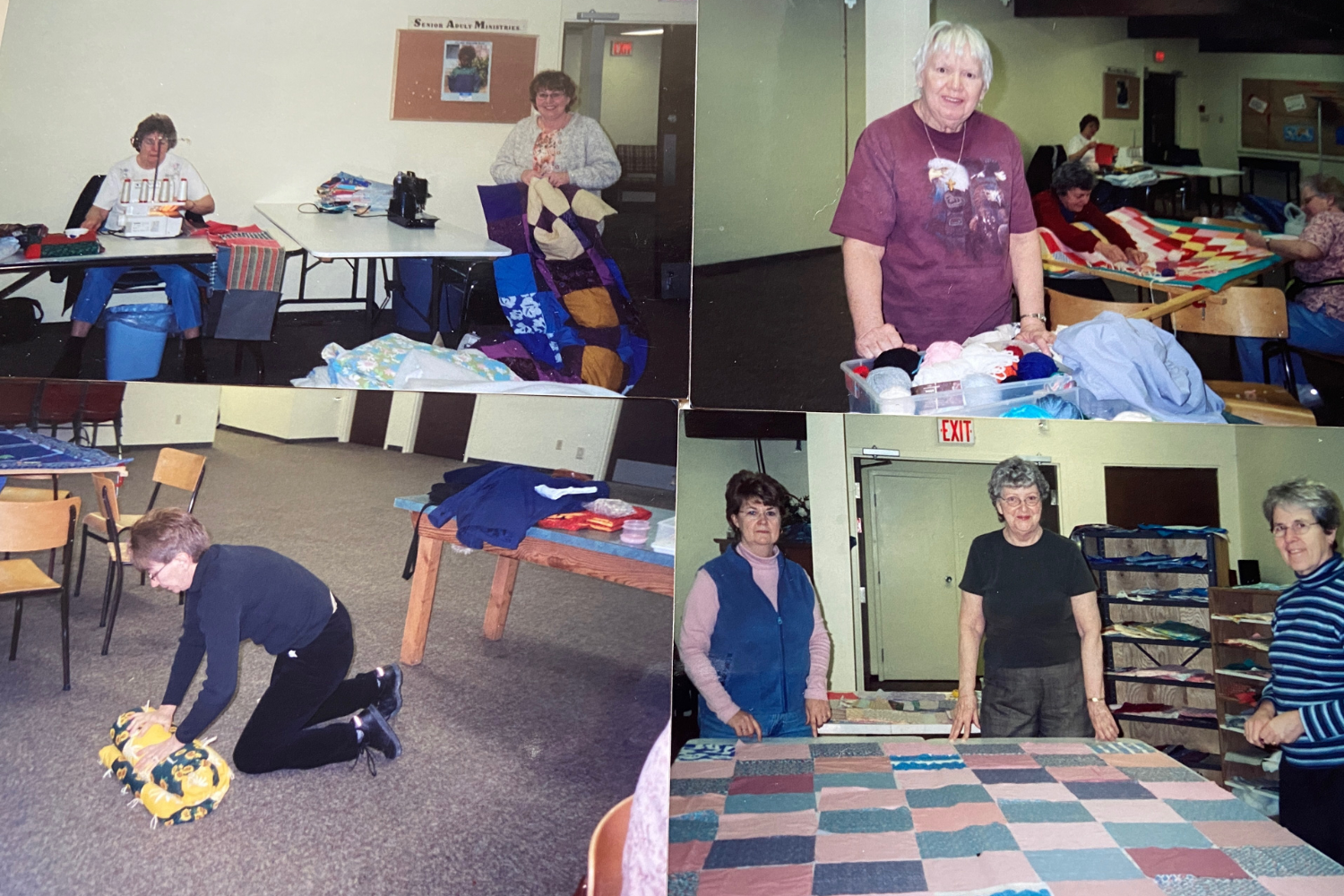
This year, LiveDifferent proudly celebrates twenty years of dedicated volunteer efforts by a quilting group in Penticton, BC. These passionate women have provided warmth and comfort through handmade blankets to families in need in Baja California, Mexico.

Group of women quilting together in community center.

Impact in Baja California

In the Baja region, temperatures can dip to 5 °C, and many families lack adequate housing and do not have heat. Roughly 1,000 handmade quilts have travelled the 2,400 km journey! Each quilt represents three to four hours of collaborative effort, crafted over coffee chats and shared stories.

Edna Hill, a founding member, shares, “I think it’s such a win-win for everybody when you can get together or use your hobbies, skills, social work, and friendships to change people’s lives. The magnitude of impact on the receiving end is incredible while you also have an impact here.”

Hill also reflects on the gratitude from the families in Mexico, “The gratitude. It’s not something you see here. It’s different. It’s a different kind of gratitude.”

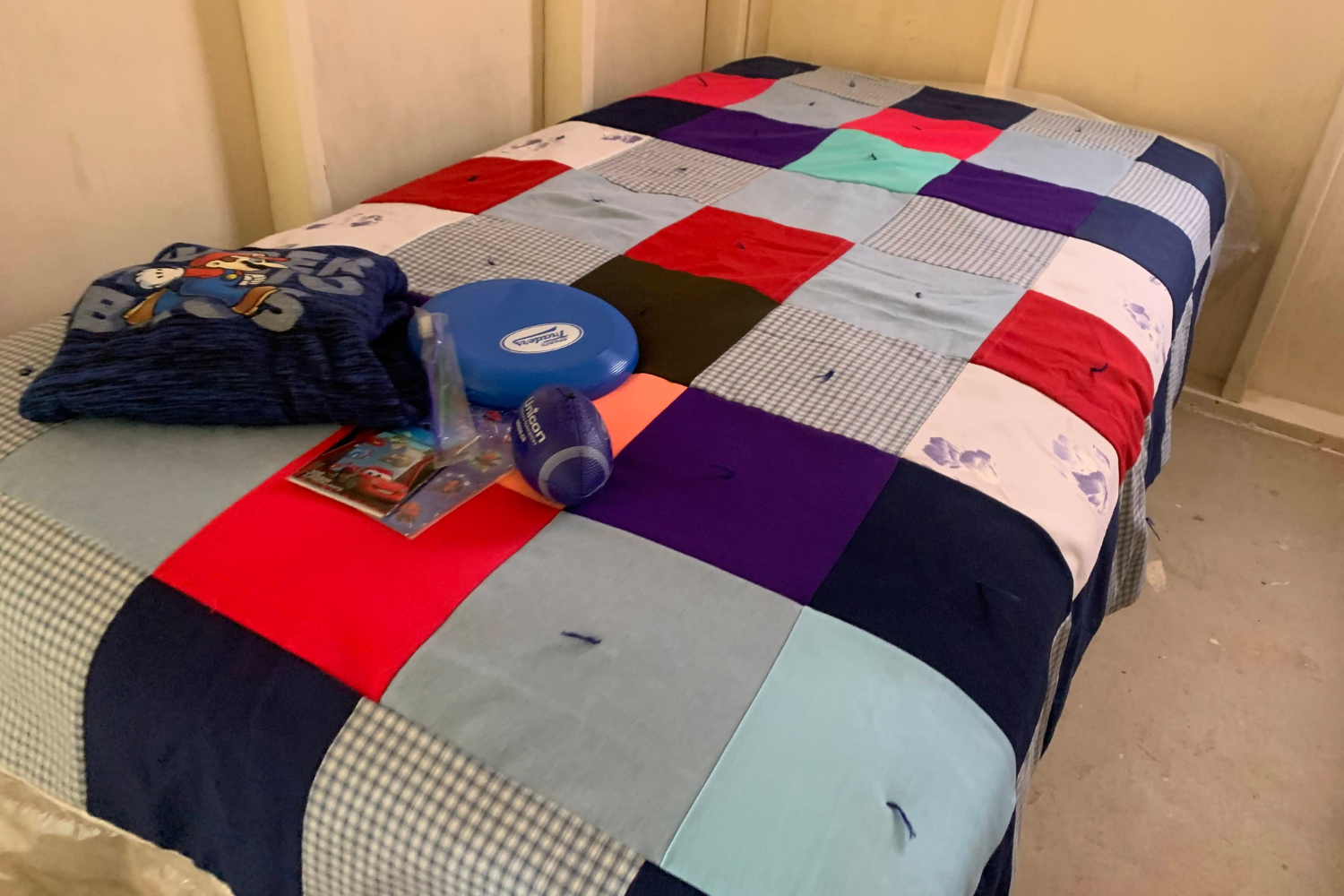
Colorful patchwork quilt with toys on bed.

Building relationships through service

LiveDifferent emphasizes the importance of building positive relationships within communities and with the families it serves. Gabe, a long-time quilting group member, says, “If you’ve got a good mission and your heart is in the right place, I think you should go for it.”

The quilting group’s acts of compassion and service have not only brought warmth and comfort to those in need but have also forged lifelong friendships among the volunteers.

“An added benefit of the group is that you actually form friendships,” says Gabe.

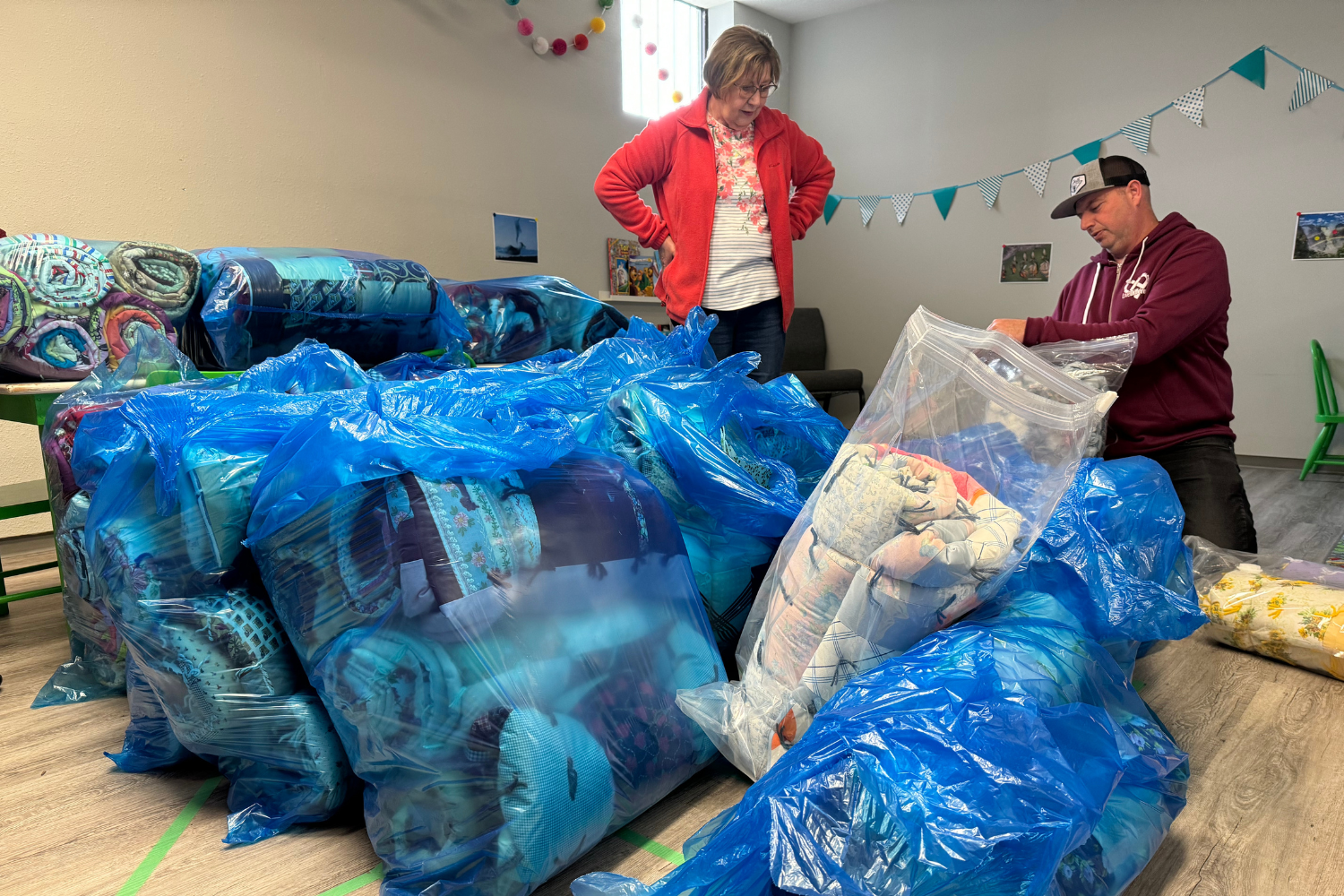
Volunteers sorting blue bags of quilts.

Looking ahead

As LiveDifferent celebrates this 20-year journey, it extends its deepest gratitude to the volunteers. Their commitment has brought warmth, joy, and security to numerous families in Mexico. CEO Charles Roberts remarks, “Packing up these quilts and ensuring they reach their new homes has always been profoundly moving. Each quilt delivers love and comfort to those who need it most.”

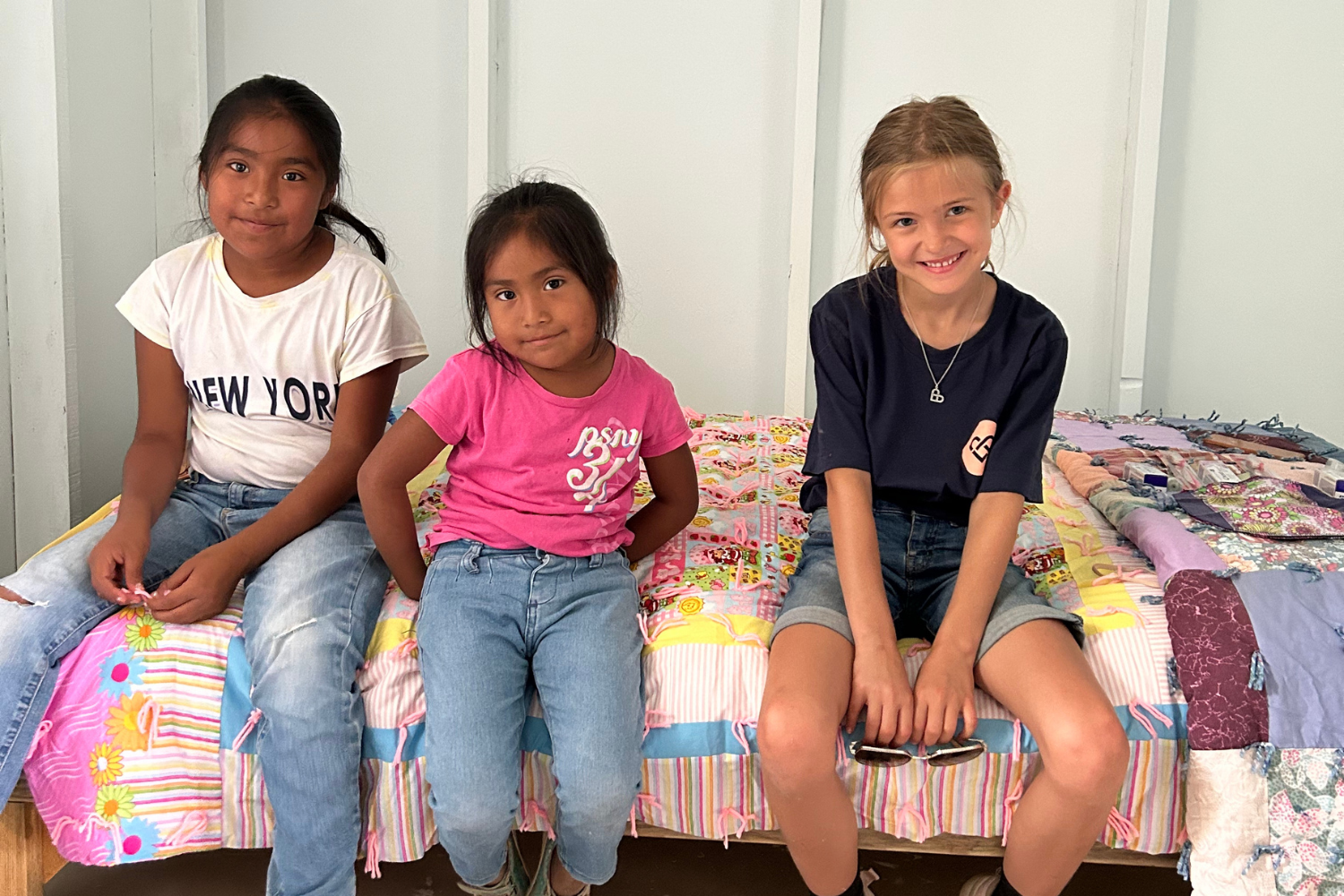
Three girls sitting on a colorful bed smiling.

This year marks the final chapter for the quilting group as its members plan to pursue new passions within the community. The group’s legacy of creativity and dedication will undoubtedly inspire others, fostering new stories of support and engagement for LiveDifferent’s mission. By following their hearts, these quilters are paving the way for more impactful narratives, encouraging others to contribute to the causes close to their hearts as well.

Author: LiveDifferent

Date: June 17th, 2024

Cultivating compassion: A journey of healing and connection

It’s Mental Health Week! This year, LiveDifferent is excited to share the transformative power of compassion. Join us as we explore the Canadian Mental Health Association’s theme of “Healing through Compassion” and discover practical tips for infusing kindness into our everyday lives.

Embracing Compassion

Compassion is a gift that knows no bounds. It’s a skill that each one of us can develop and share with others. At its core, compassion recognizes the shared humanity that connects us all, transcending social barriers and personal identities. By embracing compassion, we not only strengthen relationships but also cultivate a profound sense of community.

Tips for everyday kindness:

  • Practice active listening: Take the time to truly listen to others without judgment or interruption. Pay attention to both their words and emotions, fostering deeper connections and understanding.
  • Offer support: Be there for those around you during challenging times. Your presence and empathy can provide much-needed comfort and solace.
  • Volunteer your time: Look for opportunities to give back to your community, whether it’s through volunteering at a local shelter or lending a helping hand to a neighbour in need. Small acts of kindness can have a ripple effect, spreading positivity and compassion.
  • Practice self-compassion: Remember to extend kindness to yourself as well. Treat yourself with the same level of understanding and forgiveness that you would offer to others, nurturing a sense of self-worth and resilience.
  • Seek to understand: Take the initiative to learn about different perspectives and experiences. Empathy flourishes when we strive to understand each other’s unique journeys, fostering a deeper sense of connection and compassion.

As we dive into Mental Health Week 2024, let’s embrace the transformative power of compassion and embark on a journey of healing and connection. By incorporating these simple practices into our daily lives, we can cultivate a culture of kindness and make a positive difference in the world around us.

Together, let’s spread compassion far and wide, creating a brighter and more empathetic future for all.

Learn more about the impacts of compassion HERE.

Author: LiveDifferent

Date: May 6th, 2024

A heartfelt visit to Haiti

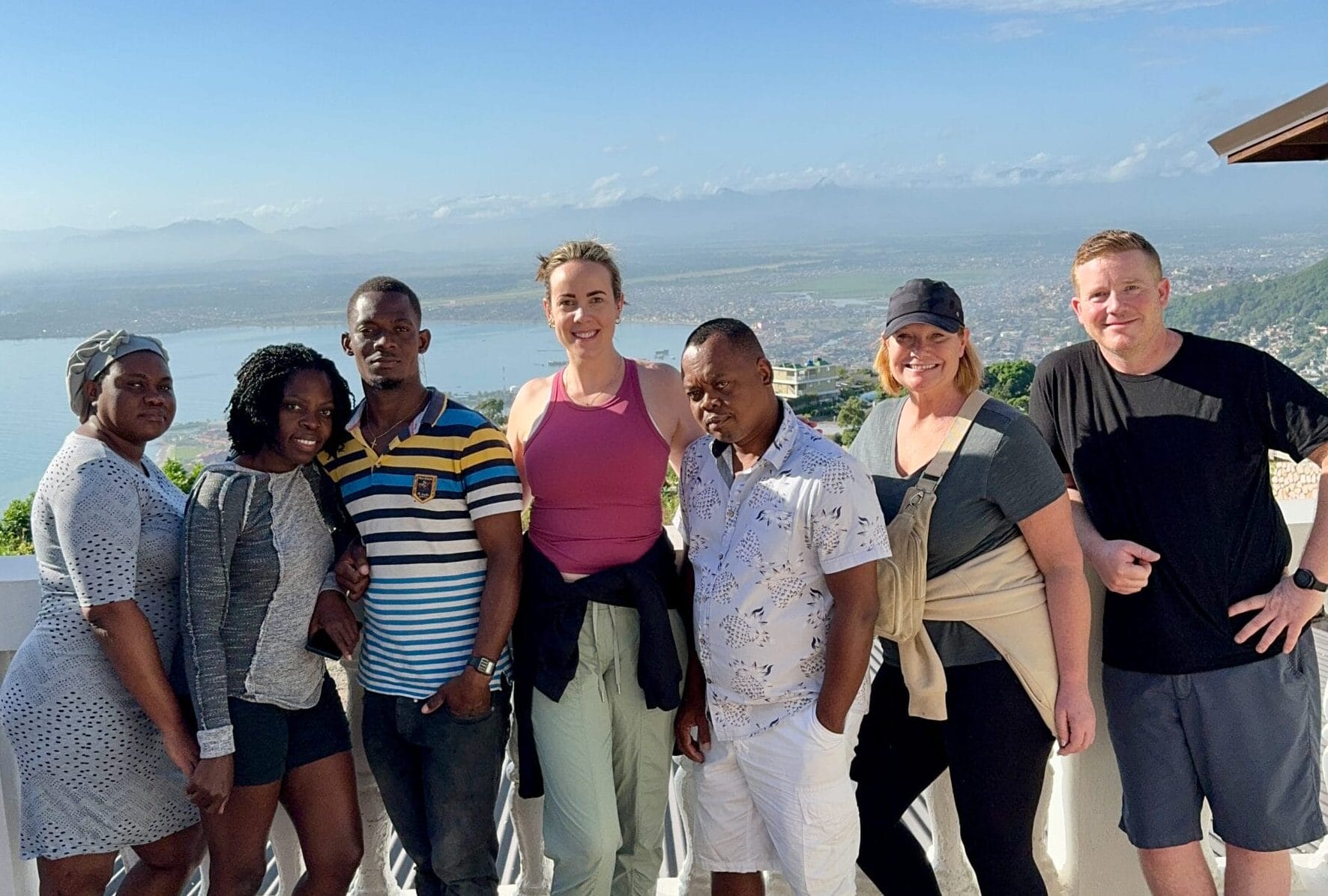
On a recent trip to Cap-Haitien, Haiti, Director of Community Engagement Elissa Grohne, CFO Derek Boyce, and partner Marcia Bergen ventured to see the project that benefits directly from her generous support—LiveDifferent’s Freedom Village.

Group of people with scenic mountain view.

For Marcia, witnessing the tangible results of her contributions was profoundly moving. The visit provided an opportunity to engage with the students and teachers at École L’Union—each interaction added layers to the understanding and appreciation of the work being done. The warmth and welcoming nature of the community of Calvaire was palpable, creating an unforgettable experience.

Walking the path of education

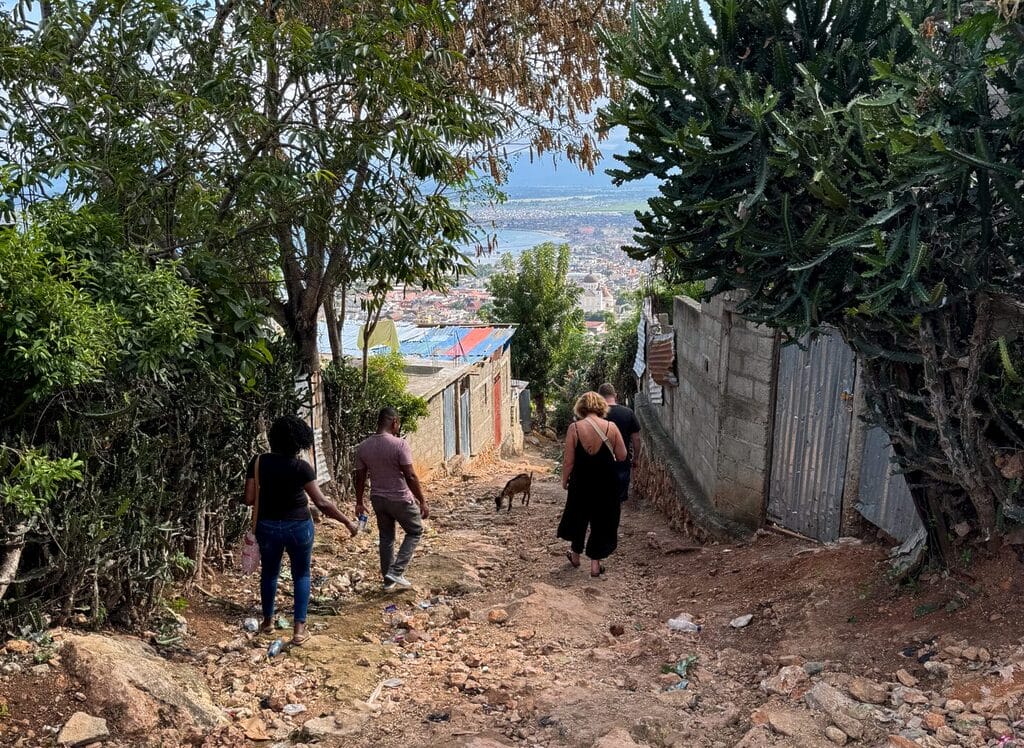
The visit started with a community tour of Calvaire, led by Frantzo, LiveDifferent’s Country Host for Haiti. Here, the team treaded the steep paths that the students navigate daily to reach their school—a humbling experience that underscored the resilience and determination of these young learners.

People walking down rocky hill with city view

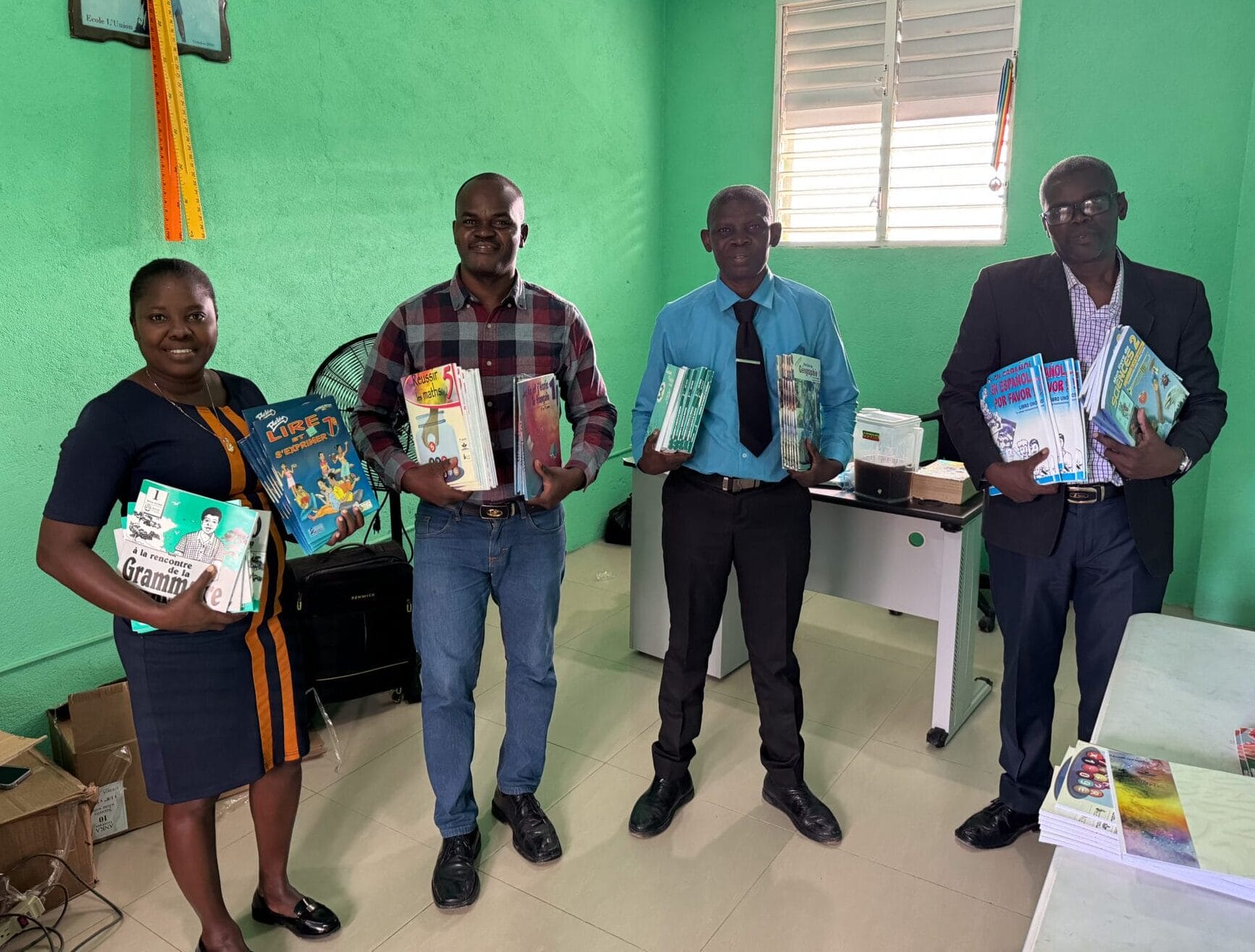
The visit included a stop at a local shop where books worth $8,700 CAD were purchased for the students, an important initiative made possible by the contributions of our LoveLegacy donors.

Four people holding educational books in a classroom.

A day of interaction and contribution

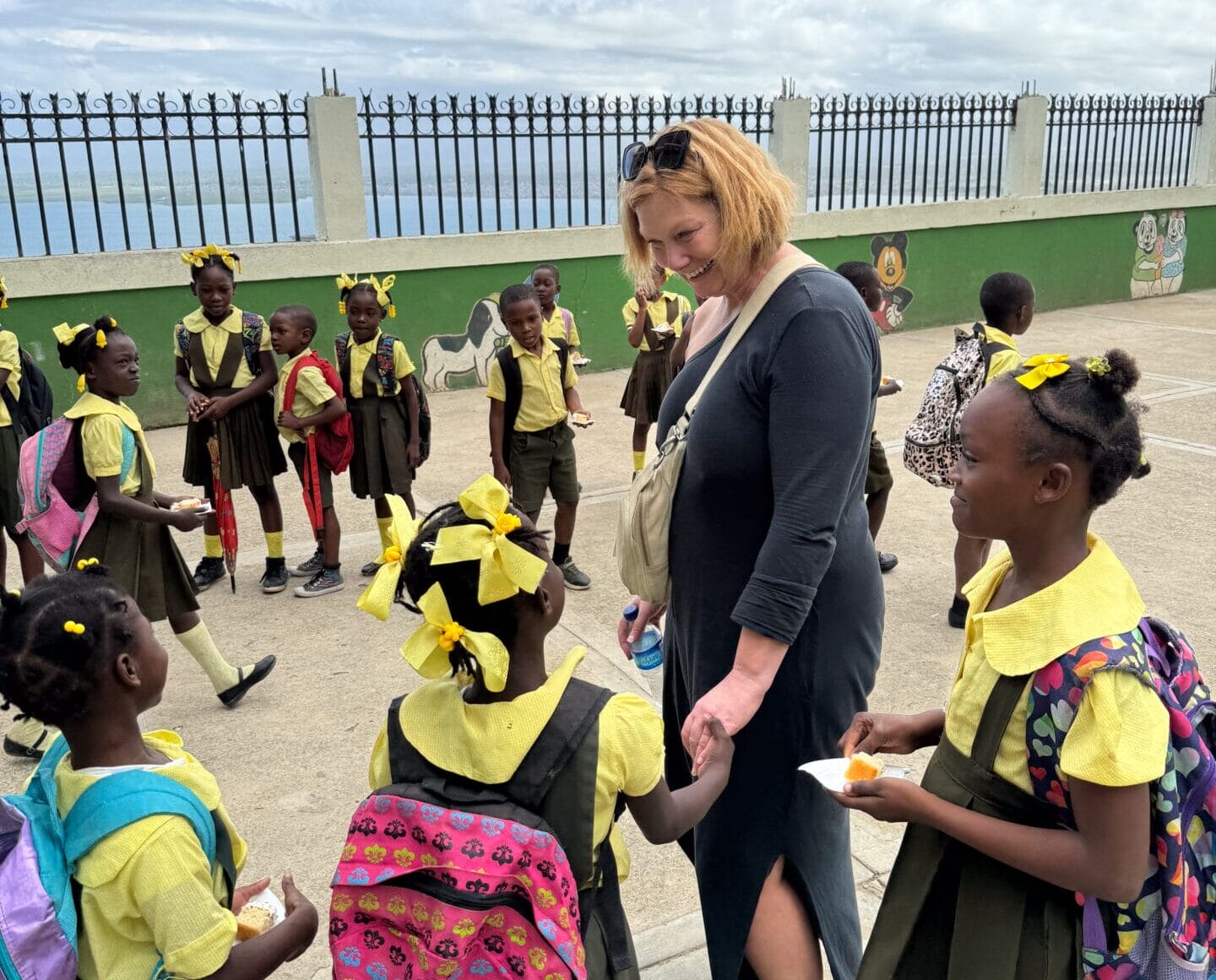
The following day at École L’Union was packed with activities. Elissa conducted interviews, capturing teacher’s insights, while Derek applied his skills to enhance the school’s security system. Meanwhile, Marcia immersed herself in the school’s daily life, from helping in the kitchen to serving lunch. One student mentioned the joy of tasting cake for the first time, a simple yet profound moment.

Marcia’s hands-on involvement didn’t stop there; she assisted in distributing food hampers to families in need—provided by Mark H., reflecting the spirit of community and shared responsibility.

Woman interacting with children in school uniforms outside.

Reflections

The visit was a testament to the power of community and partnership in creating positive change, underscoring the critical role of education, health, and nutrition in fostering safe and thriving environments for the children in Haiti.

We extend our heartfelt thanks to Marcia Bergen, all our partners, our donors, volunteers, and everyone involved in supporting our mission in Haiti. Together, we are making a world of difference—one child, one community at a time.

Become a LoveLegacy partner and help support this important work.

Author: LiveDifferent

Date: April 16th, 2024

Ice road tour reflections: A journey of resilience and connection

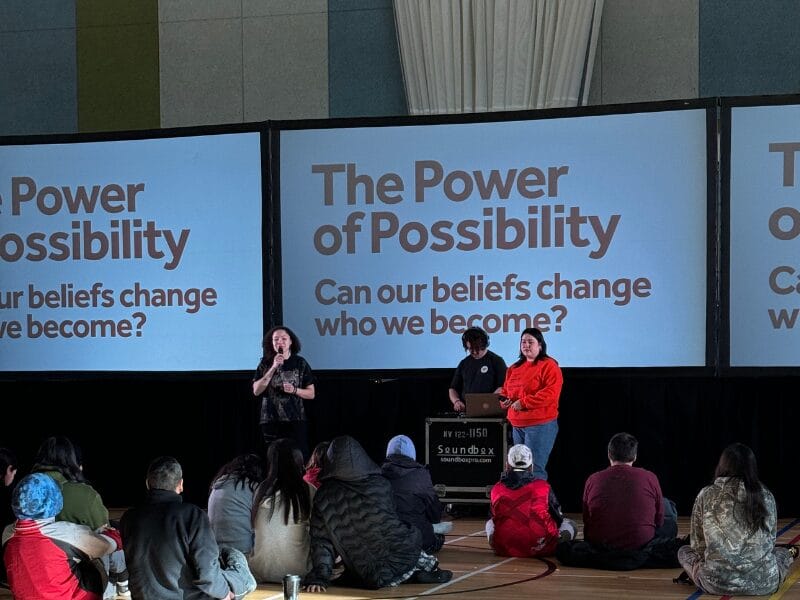
As LiveDifferent’s annual ice road tour came to a close, we found ourselves overwhelmed with gratitude, carrying with us countless stories of resilience, warmth, and the power of community. Over the course of six weeks, our dedicated road team ventured across the icy terrain of Northern Manitoba, bringing our Circles mental wellness program to 12 First Nations schools and reaching over 3,500 students.

Presentation on belief and possibility transformation.

Unforgettable connections

Setting out on this tour, we carried a message of hope and belonging, hoping to make a difference. What we found, however, was something truly remarkable—the incredible hospitality and friendship extended to us by these communities. The mental wellness programs we deliver are designed to initiate discussions on mental health, equip individuals with resilience tools, and nurture a sense of unity among students. The experience proved to be a profound journey of shared hope and understanding.

A journey like no other

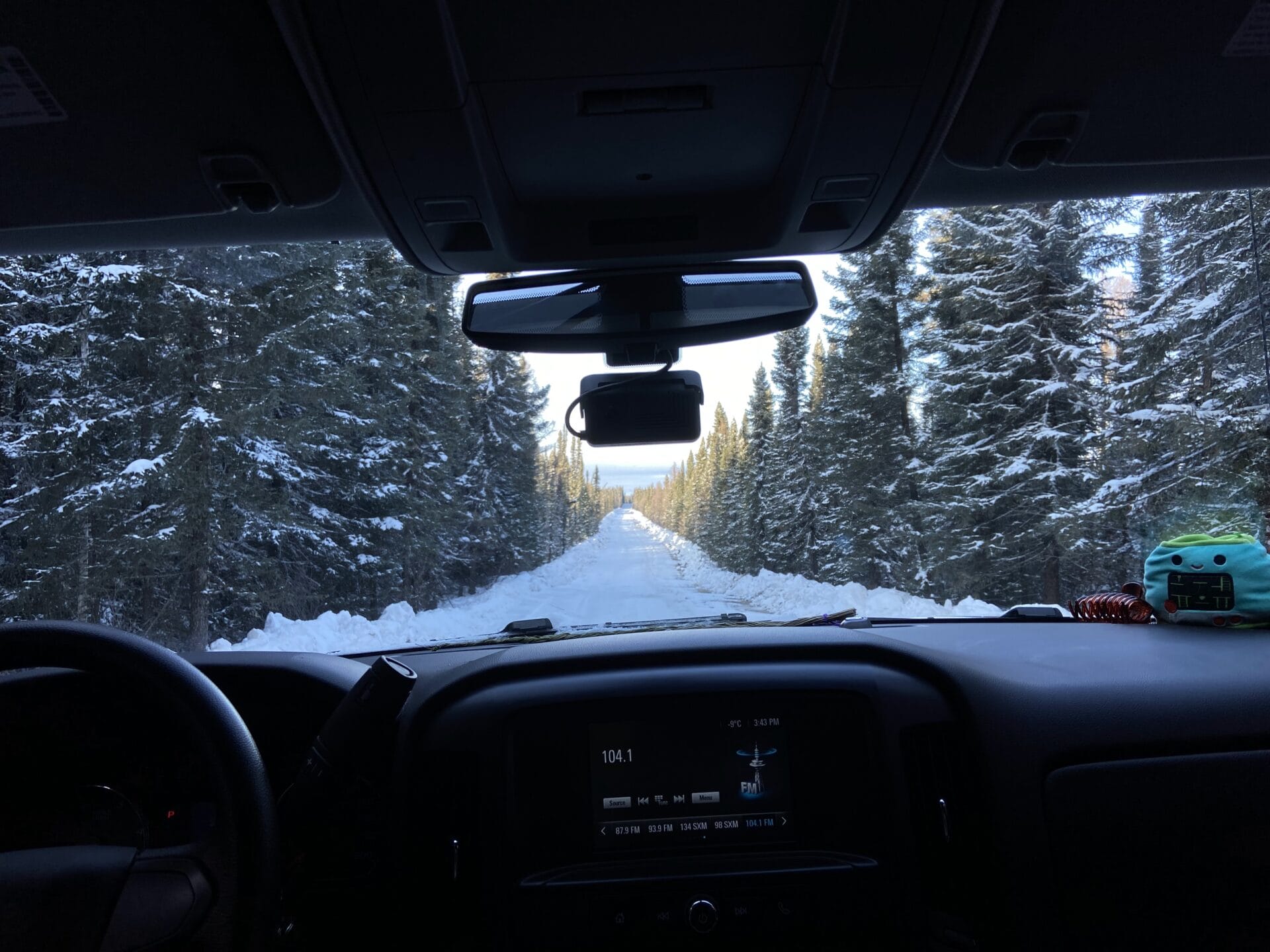
Our team’s journey was nothing short of a testament to endurance, covering an impressive 5,000 km across the ice roads for over 90 hours, with travel speeds peaking at a cautious 20-30km/hr.

Driving through snowy forest road in winter.

Finding billets in these remote areas presented its unique challenges, leading our team to stay in “teacherages”—lodgings for teachers—which offered us a glimpse into the lives of the locals. Dining on local specialties, especially moose meat, was not just about enjoying the meals but also about connecting, sharing stories, and celebrating the spirit of these unique communities.

Engaging with the youth

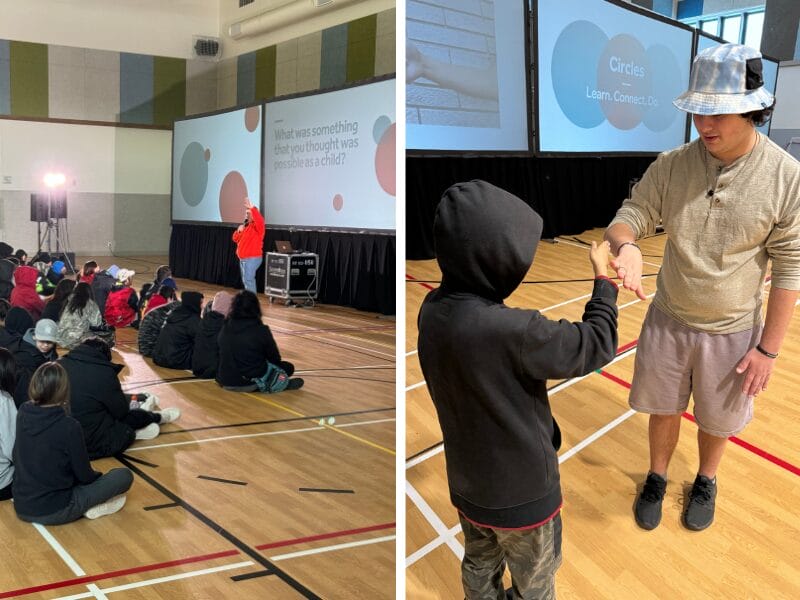
At the heart of this tour was our interaction with the students—laughing, learning, and sharing stories that transcended cultural boundaries and fostered a network of support and understanding. These interactions were not one-sided; while we aimed to inspire the youth, we found ourselves inspired by their resilience, optimism and warmth.

Students attending motivational workshop in gym.

Gratitude and looking forward

This remarkable journey could not have been realized without the immense support and generosity of our partners, donors and community supporters. Your unwavering belief in our mission to enhance the lives of Indigenous youth has made a tangible, lasting difference. We are profoundly thankful for your support and are excited to continue this vital work together.

Author: LiveDifferent

Date: March 27th, 2024

Haiti update: Navigating through challenges with strength and hope

With the recent escalation of conflict in Port-au-Prince, we want to provide you with an update, specifically relating to our operations and the community we serve in Haiti:

Current situation in Haiti

Haiti faces a critical period marked by political upheaval and social unrest, particularly in Port-au-Prince. The resignation of the unpopular Prime Minister Ariel Henry and the transition to a new government reflect the nation’s long-standing struggles with governance, natural disasters, and a significant humanitarian crisis. The turmoil has been escalating over the past year and has now captured global attention.

Community of Cap Haitien

Despite the challenges in the capital, we want to reassure our community that our operations in Cap Haitien (northern Haiti) remain unaffected and steadfast. Cap Haitien is calm amidst the nation’s broader struggles, allowing us to continue our programs without interruption.

Operations at Ecole L’Union and Freedom Village

Our students are still attending school, and are engaged in learning and community activities. We are committed to ensuring that their education continues uninterrupted, fostering a safe and supportive environment for their growth. Freedom Village also continues to operate as usual.

One of the impacts we are seeing at the moment is the rising cost of food and fuel. This has been a challenge over the past few years, both for us and certainly for the local families who struggle every day for their basic needs.

Safety and monitoring

The safety of our team, students, teachers and community members is our top priority. Our local team closely monitors the situation, keeping us informed with daily updates. We have comprehensive safety measures in place and are prepared to respond proactively to any changes in the local context.

We understand the concerns that have arisen due to the situation in Haiti and appreciate the outpouring of support and inquiries from the LiveDifferent community.

Looking forward

Our hearts go out to all Haitians during this turbulent time and we remain hopeful and committed to making a difference in the lives of those we serve. We believe in the resilience of the Haitian people and the strength of our collective efforts to foster positive change.

We will continue to follow the situation through news outlets and, most importantly, our staff team on the ground.

Author: LiveDifferent

Date: March 15th, 2024

Q&A with Board Member Kim McIntyre-Leighton

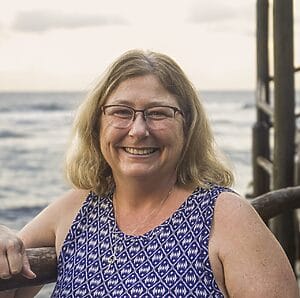
We’re shining a well-deserved spotlight on the incredible individuals on LiveDifferent’s Board of Directors! Each person plays a pivotal role in guiding LiveDifferent’s vision, strategy and impact—fueling our mission to engage youth in a lifestyle of compassion and service. Their unwavering dedication and expertise have been instrumental in transforming countless lives and communities.

Meet Kim McIntyre-Leighton
Smiling woman by the ocean.

Kim’s journey with LiveDifferent serves as a remarkable example of how passion, commitment, and a desire to make a difference can lead to meaningful change. As a dedicated member of the Board of Directors, Kim’s experiences—from her first Build in Mexico to her ongoing involvement in governance—highlight the profound impact that volunteering can have on both individuals and communities. This spotlight shares Kim’s insights and reflections on her journey with LiveDifferent.

Q: How did you first hear about or become involved with LiveDifferent?

A: Originally I heard about LiveDifferent through Malinda Roberts, back in 2006/2007. She told me about her brother Charles and moving his family to Mexico to facilitate the Builds program. Malinda and I worked in the same sector and my family wanted to volunteer somewhere so we planned our first Build for 2008 and brought my two kids! We loved the culture, the people and community, and the spirit of building. We went back for the whole next summer to help wherever we could with volunteers – we helped cook, serve food, transport volunteers, maintain the tools, and more.

Q: What inspired you to join the LiveDifferent board?

A: After many years of volunteering with different Builds after our first Build, and as our lives got busier in Winnipeg, I wanted to stay involved with LiveDifferent in some capacity. Charles was now the Executive Director and wanted to formalize policies and board governance. I was also an Executive Director with a charity so I could assist in helping with those goals.

Q: What is your favourite thing about being a board member?

A: Everyone has different opinions and viewpoints but can feel free to share. It’s a respectful environment and everyone has the same passion and values shared with LiveDifferent and why we do what we do. We all align with the reasons why LiveDifferent exists and how it supports people. You can see that in how the board talks, communicates and shares. We have lots of fun and laughter, but it always comes back to dignified service to the communities with which we have a connection. It’s an honour to be a part of the board.

Q: How has your experience with LiveDifferent changed you as a person?

A: It’s helped me to recognize that it’s important to work in our communities, along with other communities globally. We can all be a part of this work. When we returned from our first Build, we also started volunteering locally in Winnipeg.

Q: If you could pick one project or initiative that you are most proud of, what would it be and why?

A: The family that we worked alongside on our first house Build had kids the same age as mine. We still stay connected with that family to this day.

Q: What have been some of your most memorable moments with LiveDifferent?

A: The family on our first Build could not afford the school fees for their kids. We left enough money with them to start the kids in school. A couple of years ago, the son graduated high school and the daughter is now in teacher’s college. It shows that a hand-up, even a small one, makes a huge difference.

Q: How does your work with LiveDifferent fulfill your passions and values?

A: My values are showing dignity and respect to all people and those align so well with LiveDifferent, knowing that LiveDifferent goes into schools to address mental health and instill the values of kindness and compassion, especially up north.

Q: What advice would you give to someone considering getting involved with us?

A: You’ll understand it when you experience it – whether it’s a Circles presentation, a Build, visiting the school in Haiti…when you watch a family open their front door for the first time – wow – it can’t be explained without experiencing it and any age is great to start. Start them young, instilling the values of compassion for other people. There is good leadership and great supervision that happens in a safe environment and it will change their life.

Learn more

We are immensely grateful to the extraordinary individuals like Kim who comprise LiveDifferent’s Board of Directors. We are privileged to have such an exceptional group who wholeheartedly believe in our vision and generously share their time, skills and resources to ensure our success.

Learn more about our team and get inspired to create change alongside them.

Author: LiveDifferent

Date: February 14th, 2024

LiveDifferent Achieves Charity Accreditation with Imagine Canada

We are thrilled to announce a significant milestone for LiveDifferent—we have officially received charity accreditation from Imagine Canada, the country’s most widely recognized nonprofit standards organization.

CEO Charles Roberts says, “We see Imagine Canada’s accreditation as a mark of distinction, affirming our commitment to best practices, transparency, and accountability in the nonprofit sector. It reassures our stakeholders that they can instill their trust in us as an organization dedicated to engaging youth in a lifestyle of compassion and service.”

Imagine Canada’s nonprofit standards provide invaluable best practices that empower organizations like ours to strengthen governance and operations. These standards draw upon the collective wisdom and expertise of the nonprofit sector, covering crucial topics such as board governance, financial accountability and transparency, fundraising, human resources and volunteer involvement.

“I’m very proud of our team’s dedicated efforts; it was great to witness the collaborative work with Imagine Canada throughout the entire accreditation process,” Roberts adds.

By adhering to these standards, any organization can enhance its practices and contribute to the greater good. However, we are proud to share that LiveDifferent has taken our commitment to excellence a step further by successfully completing an independent peer review process to earn this accreditation.

“On the journey toward great governance, organizations pursue accreditation as a public testament to their commitment to the highest standards of transparency and accountability. We offer sincere congratulations to the recently accredited and re-accredited organizations, key players in our Standards community of over 270 organizations nationwide,” said Bruce MacDonald, President and CEO of Imagine Canada.

This accreditation not only reinforces our dedication to accountability and performance but also signifies our unwavering commitment to serving our community with the highest standards of integrity and transparency.

Thank you to our incredible team, partners, volunteers and donors for their unwavering support and belief in our mission.

LiveDifferent accredited by Imagine Canada standards

Author: LiveDifferent

Date: January 30th, 2024